
Caregiver's Corner (Blog) is your no-fluff guide to the messy, sacred, everyday work of caring for someone else. Each post covers practical tips, product picks, and real-world advice for at-home caregivers—especially the ones who never got any training. Backed by The Unmedical Manual, these are affiliate-supported resources designed to make hard days a little easier, one smart tool at a time.
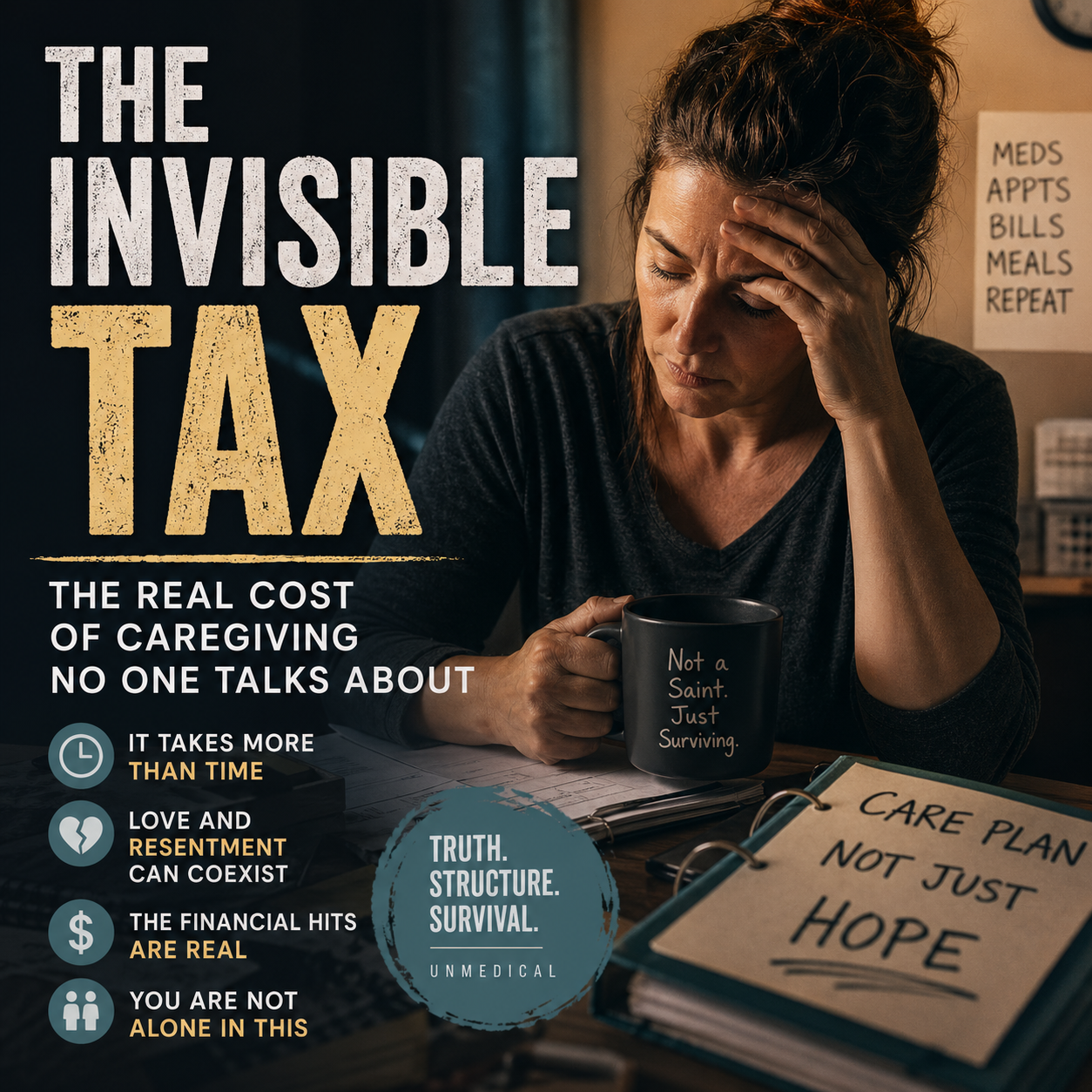
The Invisible Tax of “You’re so strong.”
Being told "you're so strong" often feels like a quiet agreement that you’ll just keep carrying the load alone. Caregiving costs more than just time; it’s an invisible tax on your career, finances, and relationships. Learn how to move past "resilience" and build the practical structures needed to make the weight more stable and predictable.
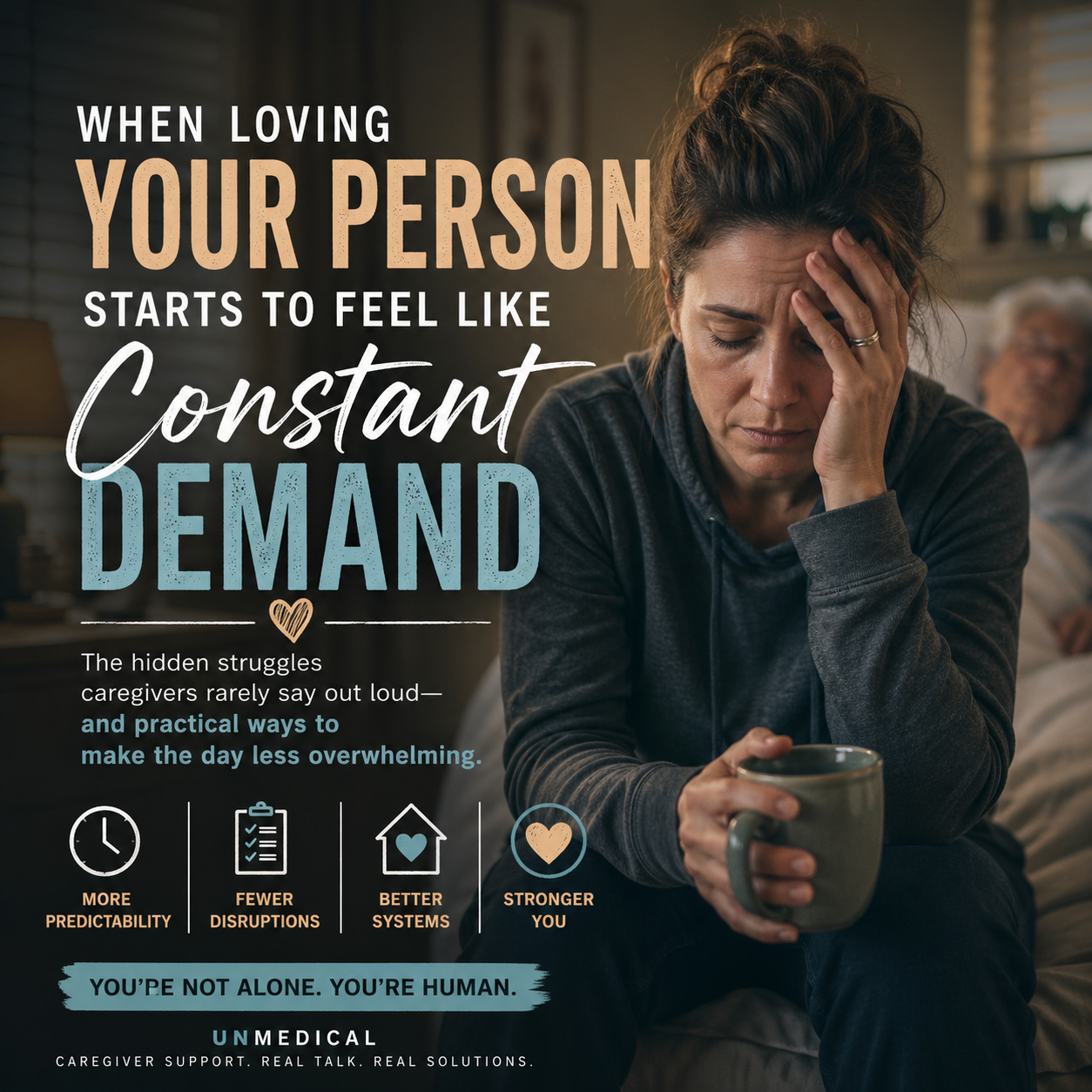
When Loving Your Person Starts to Feel Like Constant Demand
Caregiving isn't just physical work; it’s a psychological load. When loving your person starts to feel like a constant demand, the resulting guilt and resentment can be isolating. Learn why your nervous system reacts this way and discover practical, human-centered shifts to make your daily routine more predictable and sustainable.
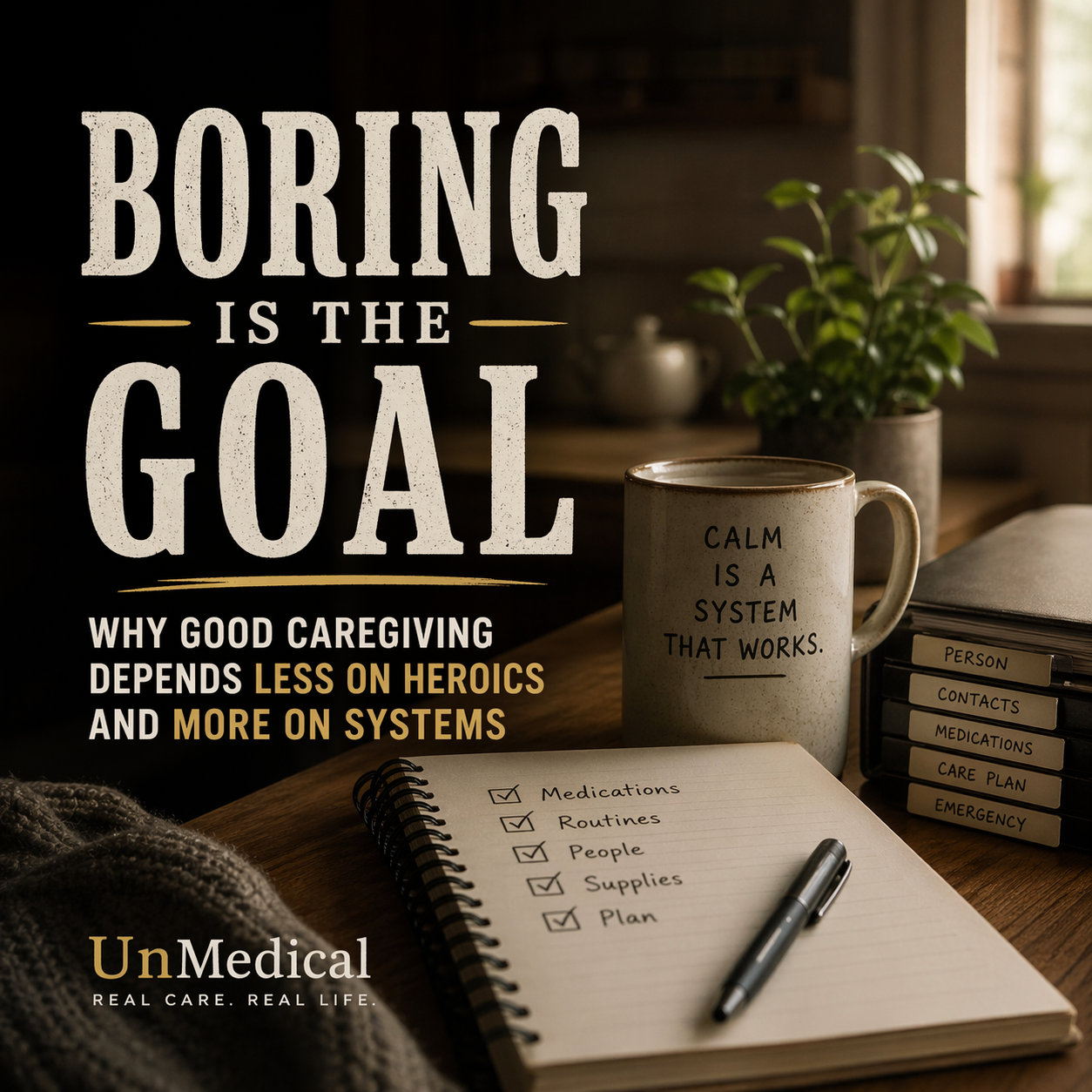
Boring Is the Goal: Why Good Caregiving Depends Less on Heroics and More on Systems
Caregiving is often romanticized as a solo act of heroism, but relying on effort alone is a recipe for burnout. "Boring" is the ultimate goal—creating reliable systems and routines that turn constant emergencies into a steady, manageable rhythm. Discover why the most compassionate care isn’t found in sacrifice, but in sustainability.
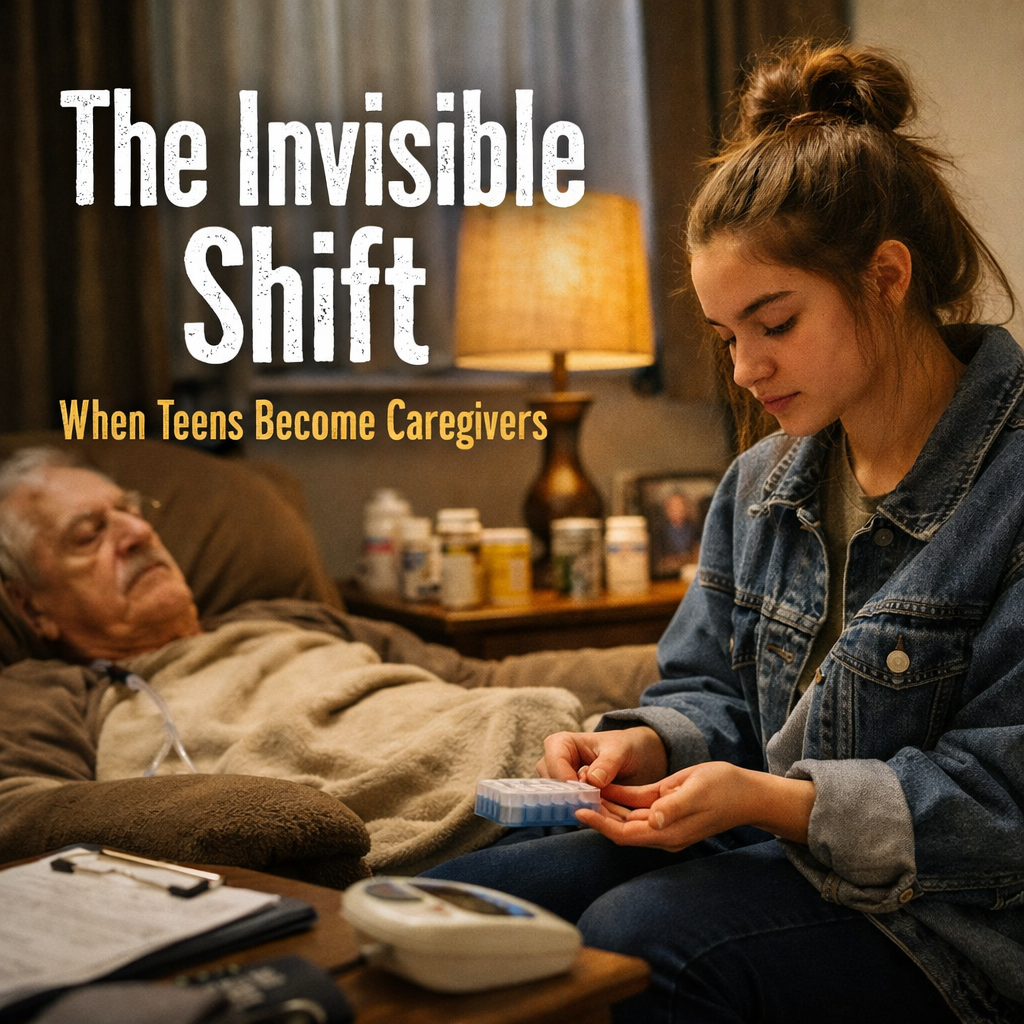
When Teenagers Become the Care Team
Millions of teenagers are currently working the "Invisible Shift"—performing clinical-grade medical care in the gaps of a failing healthcare system. They aren't just helping out; they are the backbone of home care. Learn how to spot these hidden caregivers and how we can collectively bridge the gap.
Are You Becoming Bitter and Resentful as a Caregiver?
Caregiving resentment isn't a lack of love—it’s the weight of a failing system. When exhaustion hardens into bitterness, the solution isn't just "self-care"; it’s structural change. Discover how to reduce the mental load, organize the chaos, and reclaim your capacity using the UnMedical approach to home care.
Why The UnMedical Caregiver Matters More Than People Think
Most people think of caregiving as a professional role, but the "UnMedical Caregiver" is the spouse, child, or friend holding it together at home without formal training. Discover why a simple system for tracking medications and symptoms is the bridge between clinical care and real life—and how it prevents burnout when things get tough.
The Quiet Wins That Matter And Why You Need to Start Counting Them
Most days in caregiving feel like keeping ten plates spinning while running on empty. It’s easy to feel like you're failing when progress isn't linear. Here is why "counting the small wins"—those tiny, quiet victories—is the secret to surviving caregiver burnout and reclaiming your sanity.
The Invisible Professional: Why Most Caregiving is "UnMedical" (and Why That Matters)
Most family caregivers feel like they are failing because they are exhausted. But you aren’t failing—you’re operating without a system. Discover why "UnMedical" caregiving is the most important job you were never trained for, and how to shift from reactive chaos to a sustainable rhythm that protects both you and your loved one.
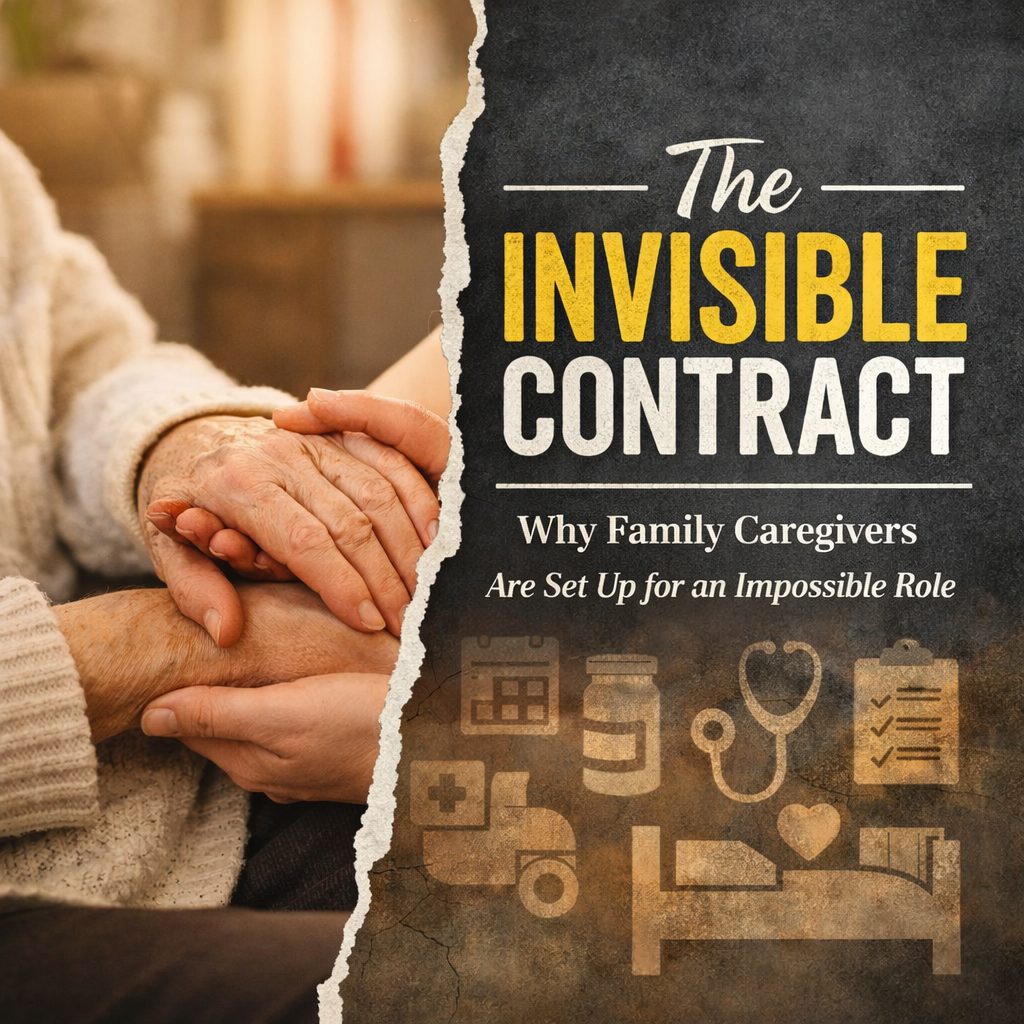
The Invisible Contract: Why Family Caregivers Are Set Up for an Impossible Role
No one signs a contract to become a caregiver, yet thousands of family members find themselves in an impossible, 24/7 role. Explore the "Invisible Contract" of caregiving, why common advice fails, and how the UnMedical philosophy prioritizes human sustainability over clinical perfection.
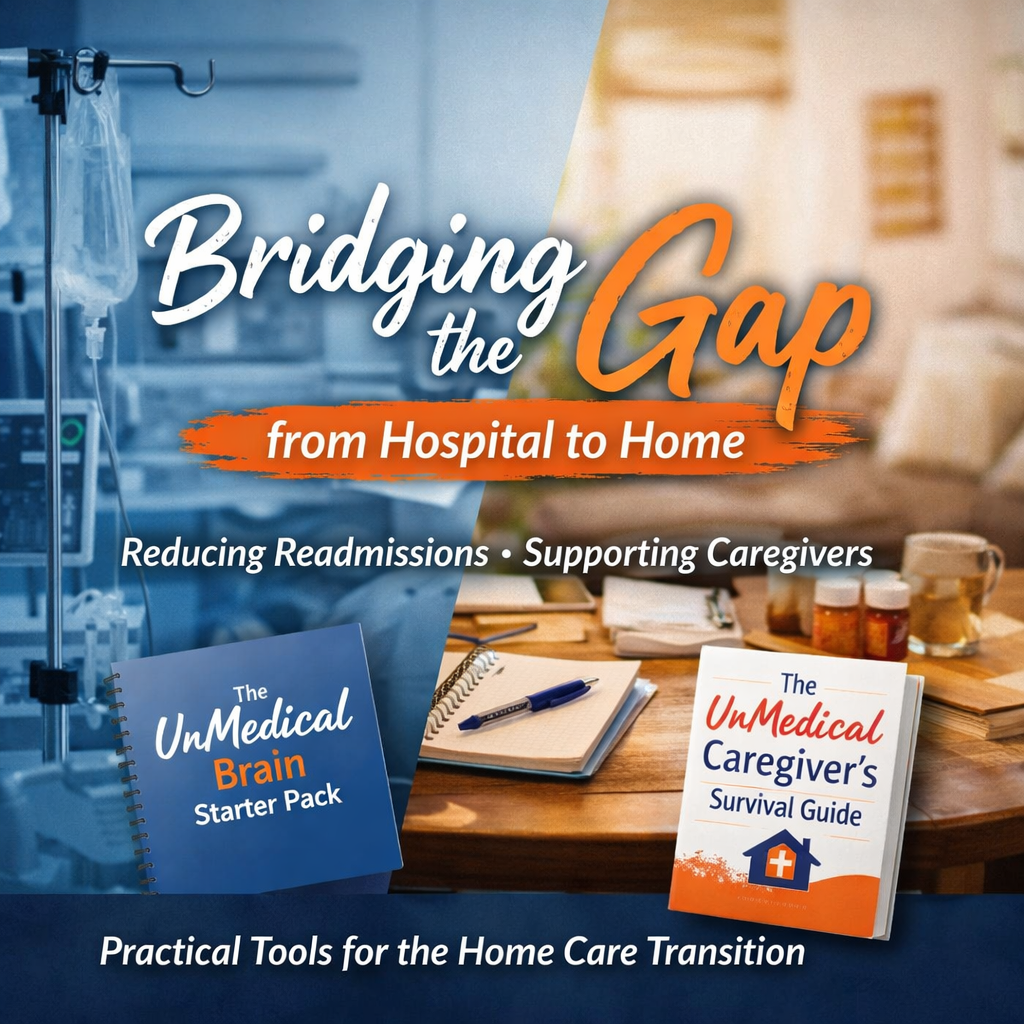
Bridging the Gap: Why the Transition from Hospital to Home Needs a Different Kind of Manual
The most stressful part of care doesn’t happen in the hospital; it happens at home, right after discharge. Learn why the "UnMedical" side of caregiving requires a different kind of manual to protect patient outcomes and caregiver sanity. Includes a free UnMedical Brain download for families and clinical teams.
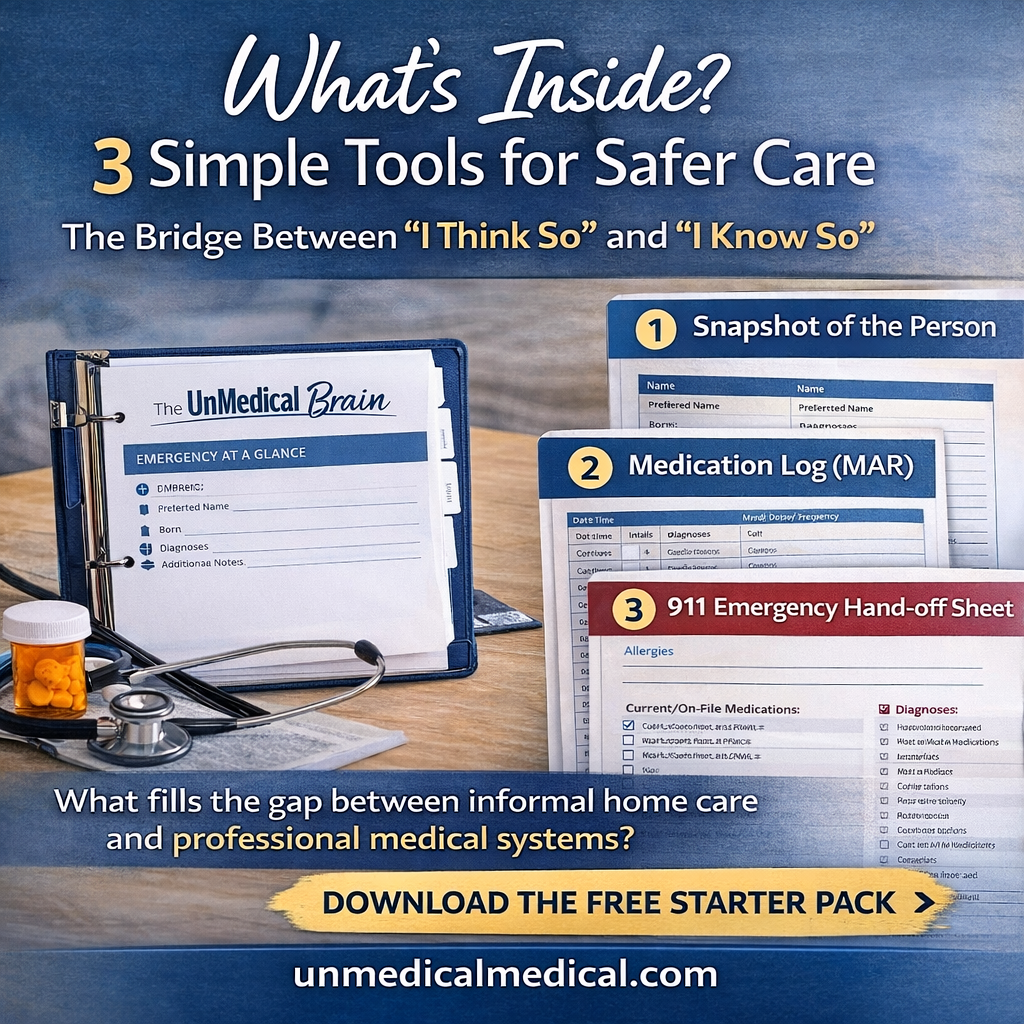
What’s Actually Inside the Free Brain Binder Starter Pack?
Excerpt: What exactly is in the UnMedical Brain Binder? Take a look at the three specific tools—including the 911 Hand-off Sheet—that bridge the gap between home care and professional medical systems. Get the free download link inside.
You can learn a lot about caregiving just by listening.
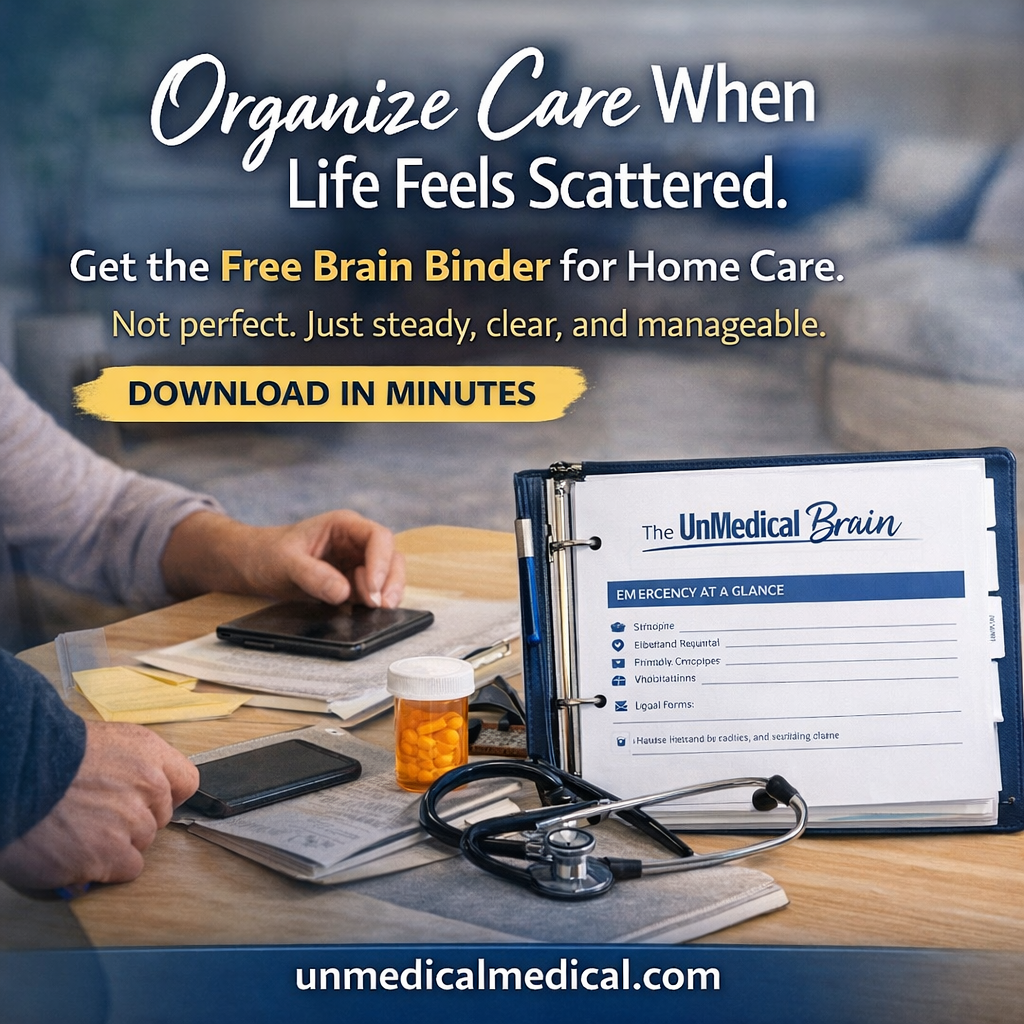
Caregiving isn't just about medicine; it's about managing a mountain of information while life is happening. If you've ever said, "I have that written down somewhere," this is for you. Learn how to stop the "mental load" of caregiving with a simple, physical system that keeps medications, baselines, and emergency info in one place. Includes a free download link.
Caregiving rarely breaks down because people don’t care.
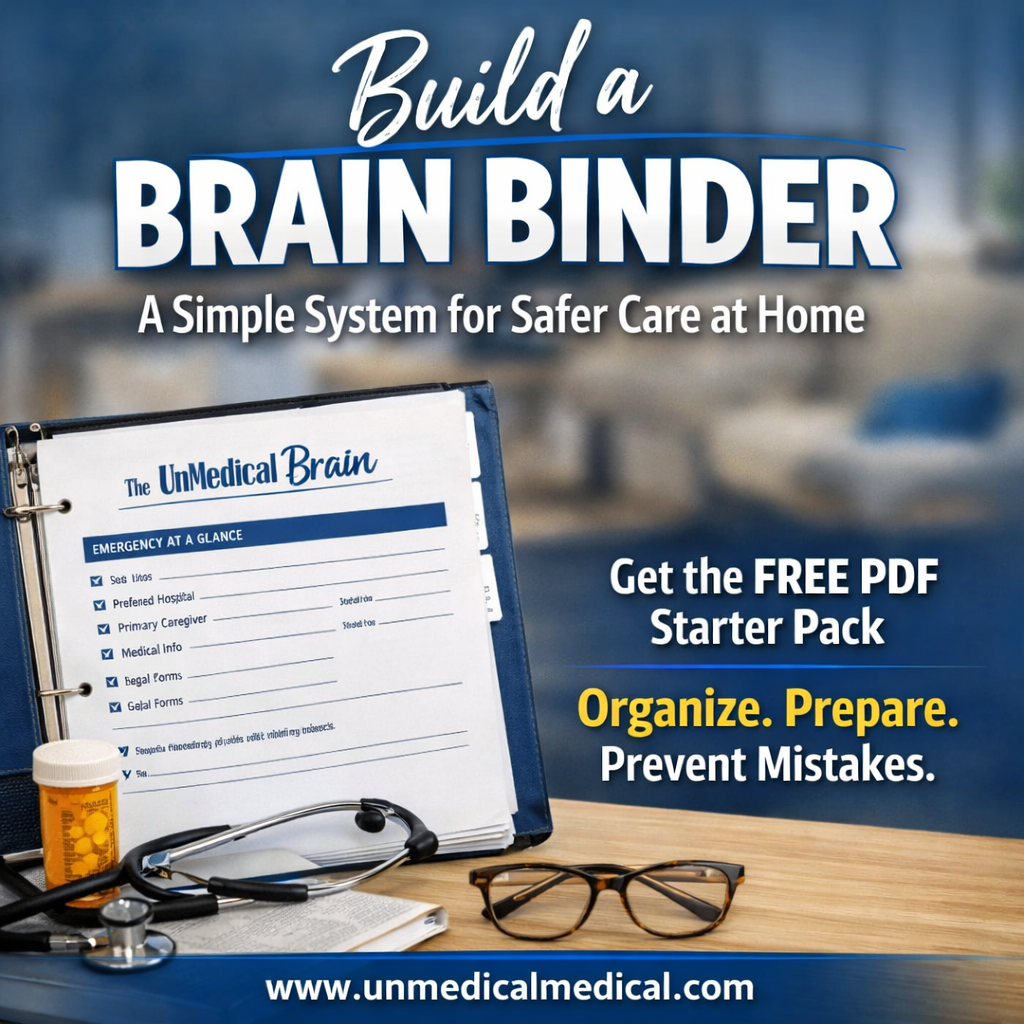
Most caregiving breakdowns aren't caused by a lack of heart—they’re caused by a lack of information. Discover how a simple "Brain Binder" system bridges the gap between home care and clinical safety, reduces caregiver burnout, and prevents medical errors before they happen. Download the free PDF starter pack inside.
The Caregiver Safety Net Most Families Don’t Build Until It’s Too Late
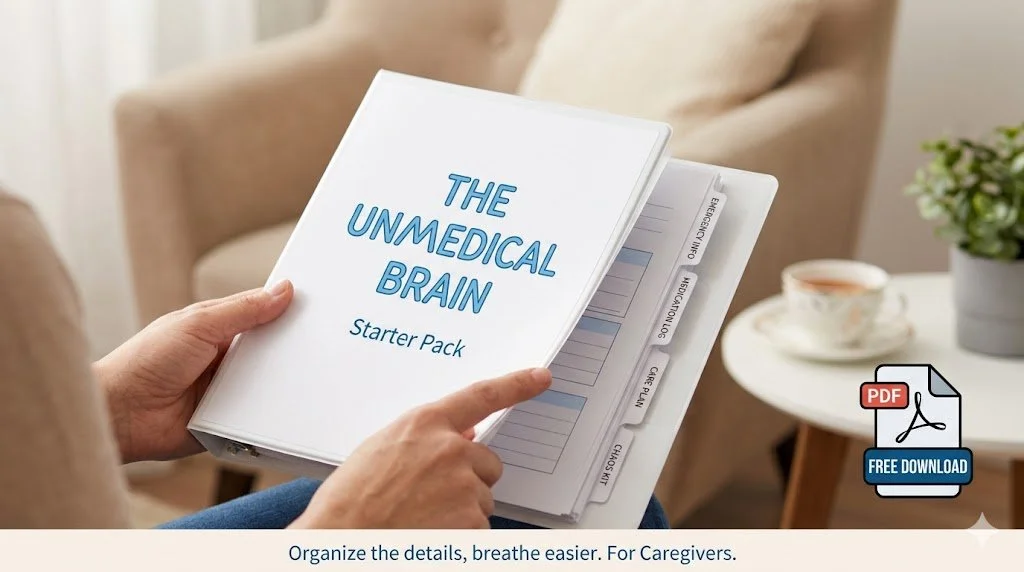
Stop carrying the entire care system in your head. The UnMedical Brain Starter Pack is a free caregiver binder designed to organize medications, emergency contacts, and daily care plans. Download the PDF and create a safety net so you can finally breathe again.
Your Brain Was Never Meant to Hold All of This
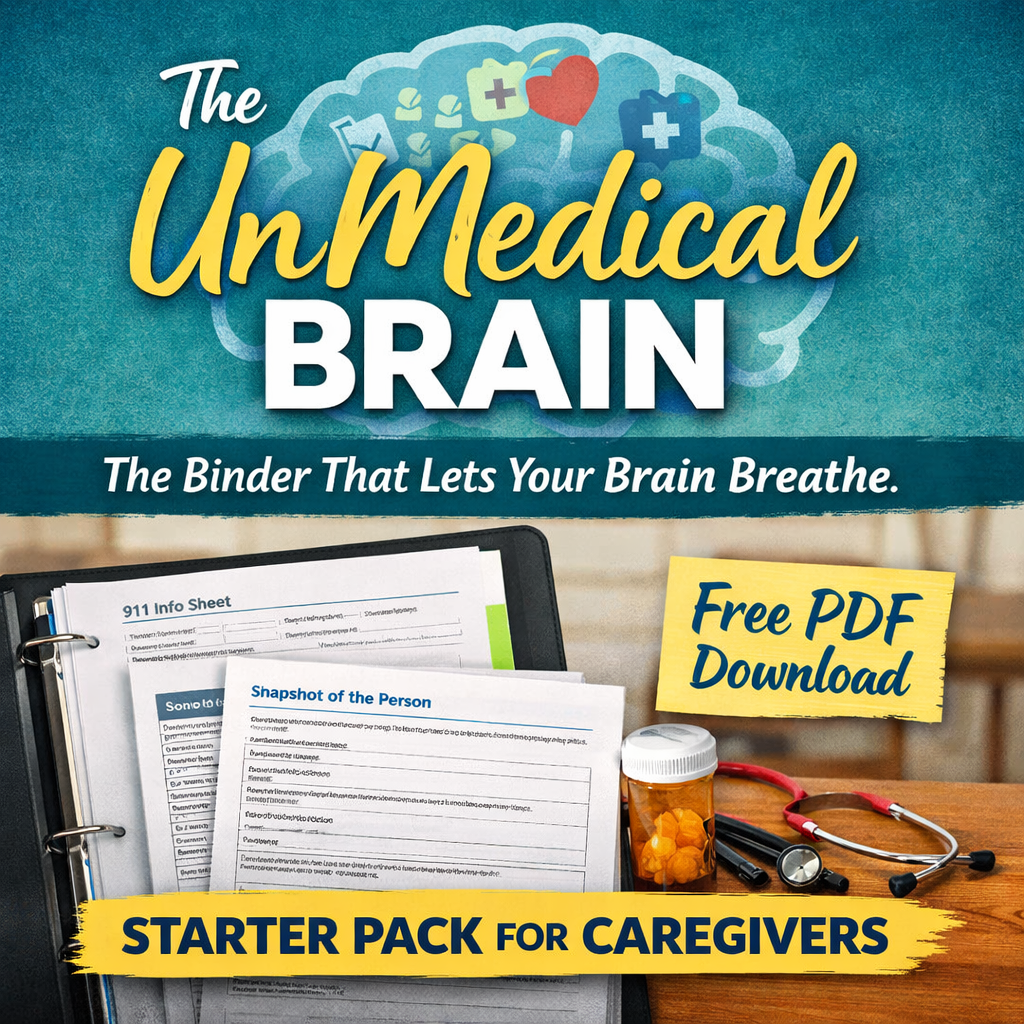
Your brain was never meant to be a storage unit for a care system. When everything lives in your head, the care ends the moment you’re unavailable. Download the Free UnMedical Brain Starter Pack and get the "Street Rules" binder pages you need to stop the burnout and start breathing again.
The First 72 Hours: Surviving the "Accidental" Caregiver Initiation
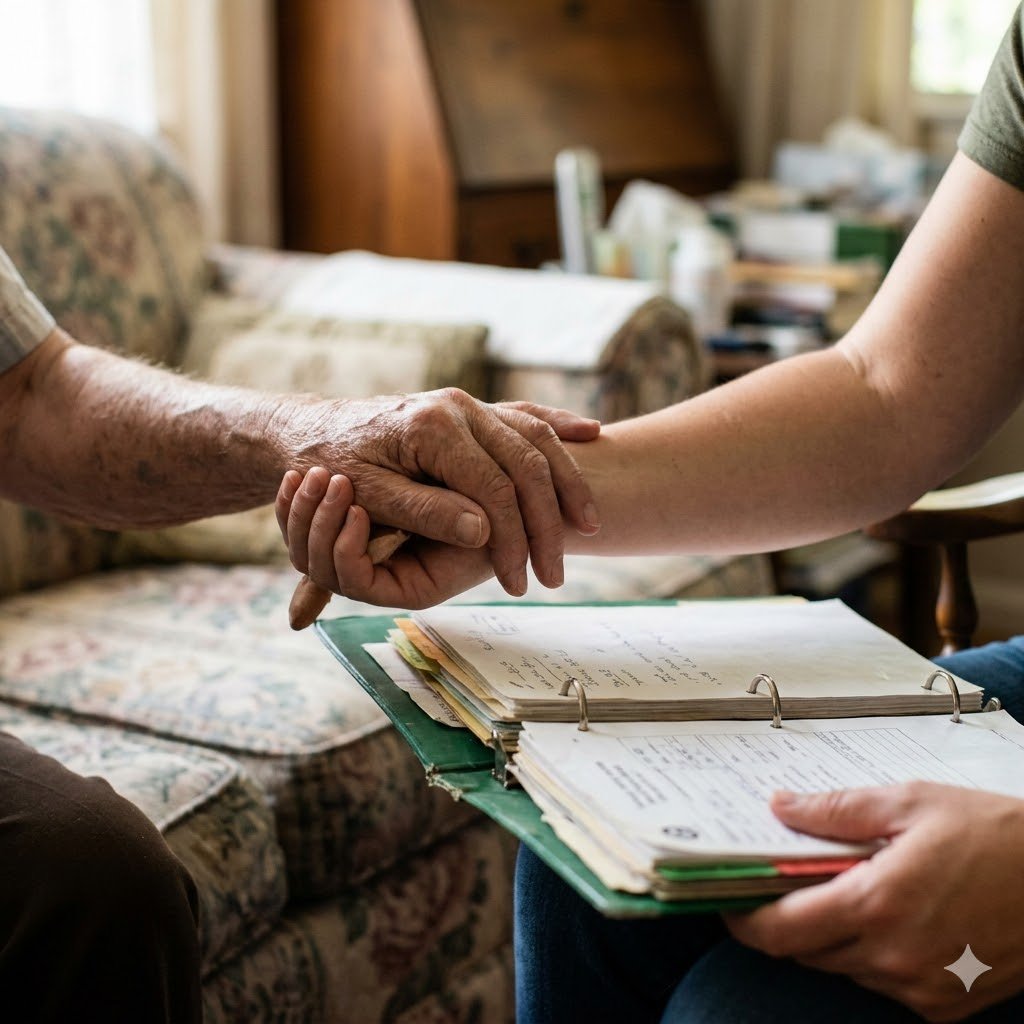
You didn't interview for this job, but now you’re an "accidental" caregiver. The first 72 hours of home care are a blur of adrenaline and exhaustion. Learn the essential "street rules" for organizing the chaos, building a support team, and why a physical "Brain" binder is your most important tool for survival. Includes a free starter kit.
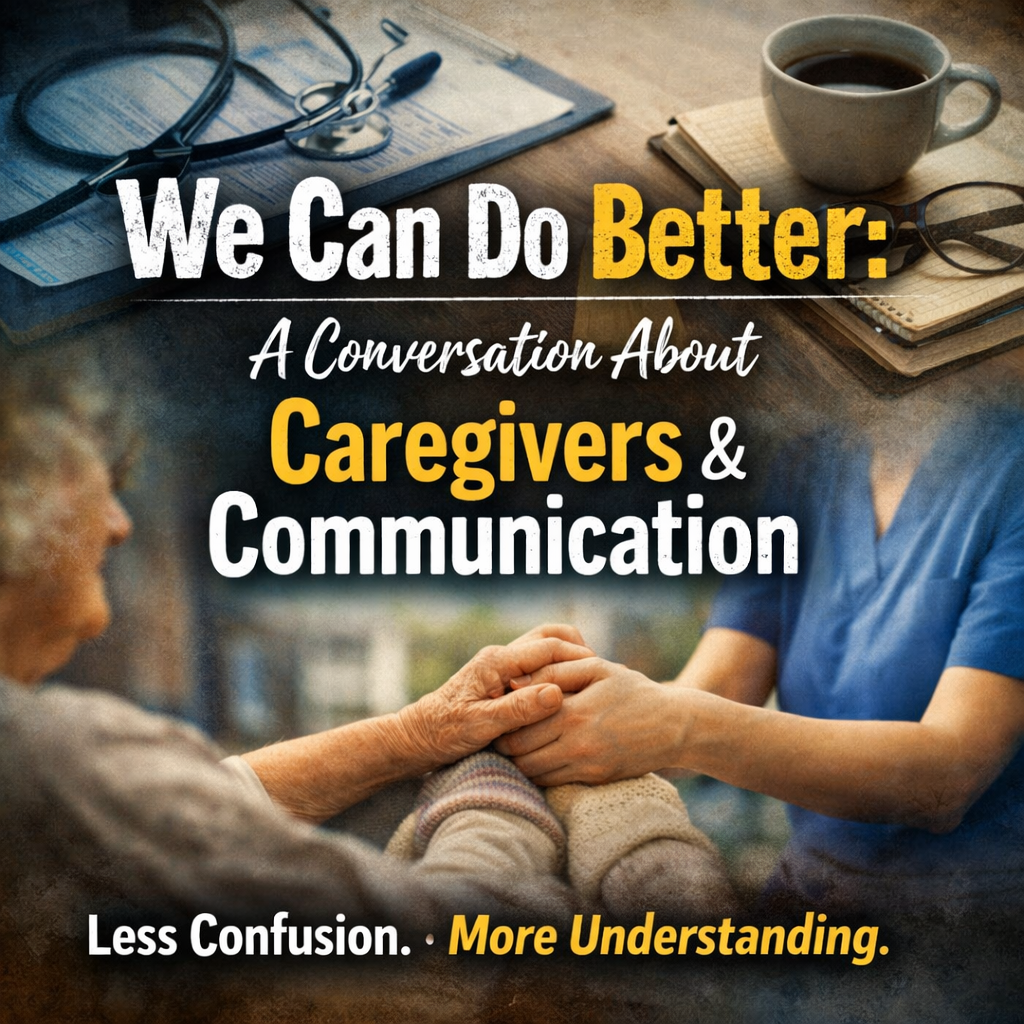
We Can Do Better: A Conversation About Caregivers and Communication
Bridging the gap between medical professionals and family caregivers. Learn practical strategies to improve communication, reduce caregiver confusion, and care with confidence.
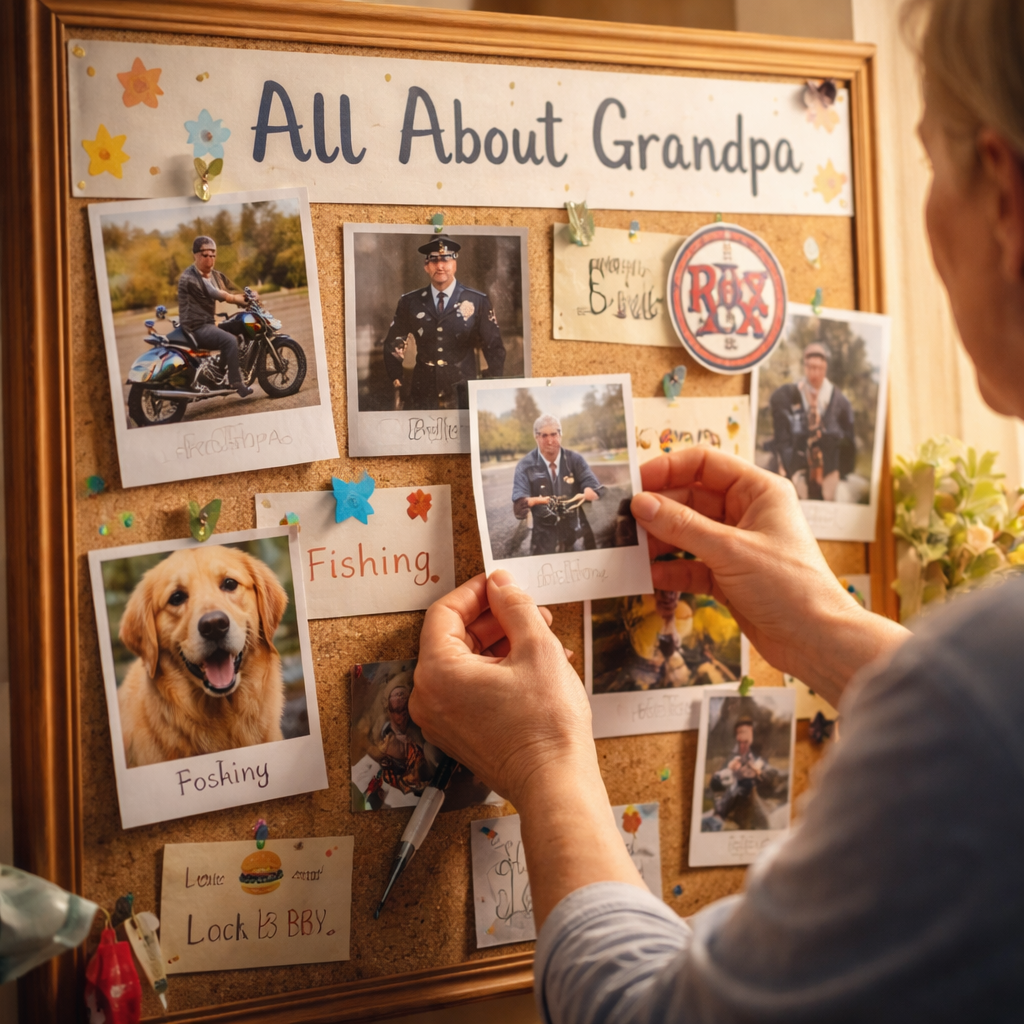
Helping Others See Who You Love
Caregiving often reduces people to tasks and diagnoses. This piece explores a simple way family caregivers can help professionals see the person first, restoring connection, dignity, and humanity across hospitals, homes, and nursing facilities.
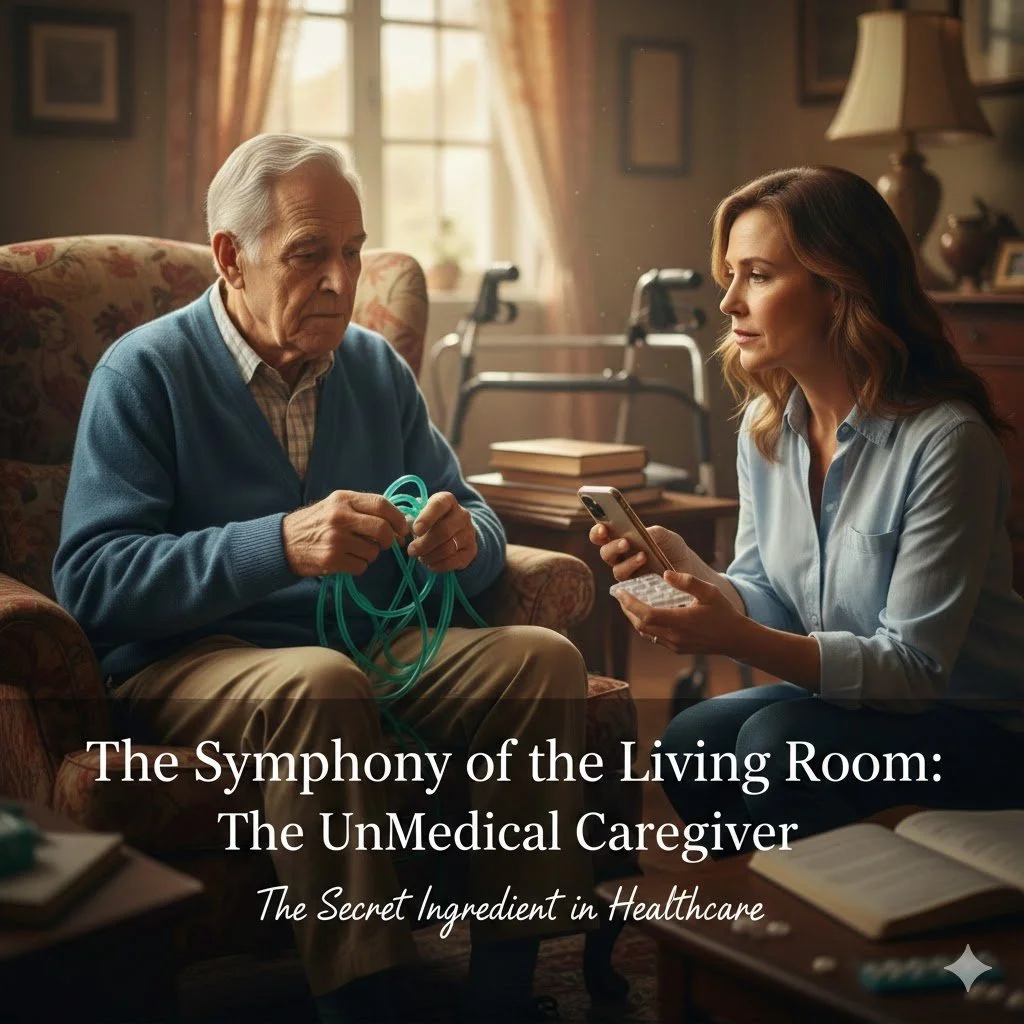
The Symphony of the Living Room: Why the “UnMedical” Caregiver Is the Secret Ingredient
The healthcare system doesn’t run on just doctors and nurses—it runs on the "UnMedical" caregiver. In this thought piece, we explore the "Logic Bombs" that prove family and friend caregivers aren't just guests in the care process; they are the final mile that keeps the entire system from collapsing. Discover why the living room is the most important room in the hospital.
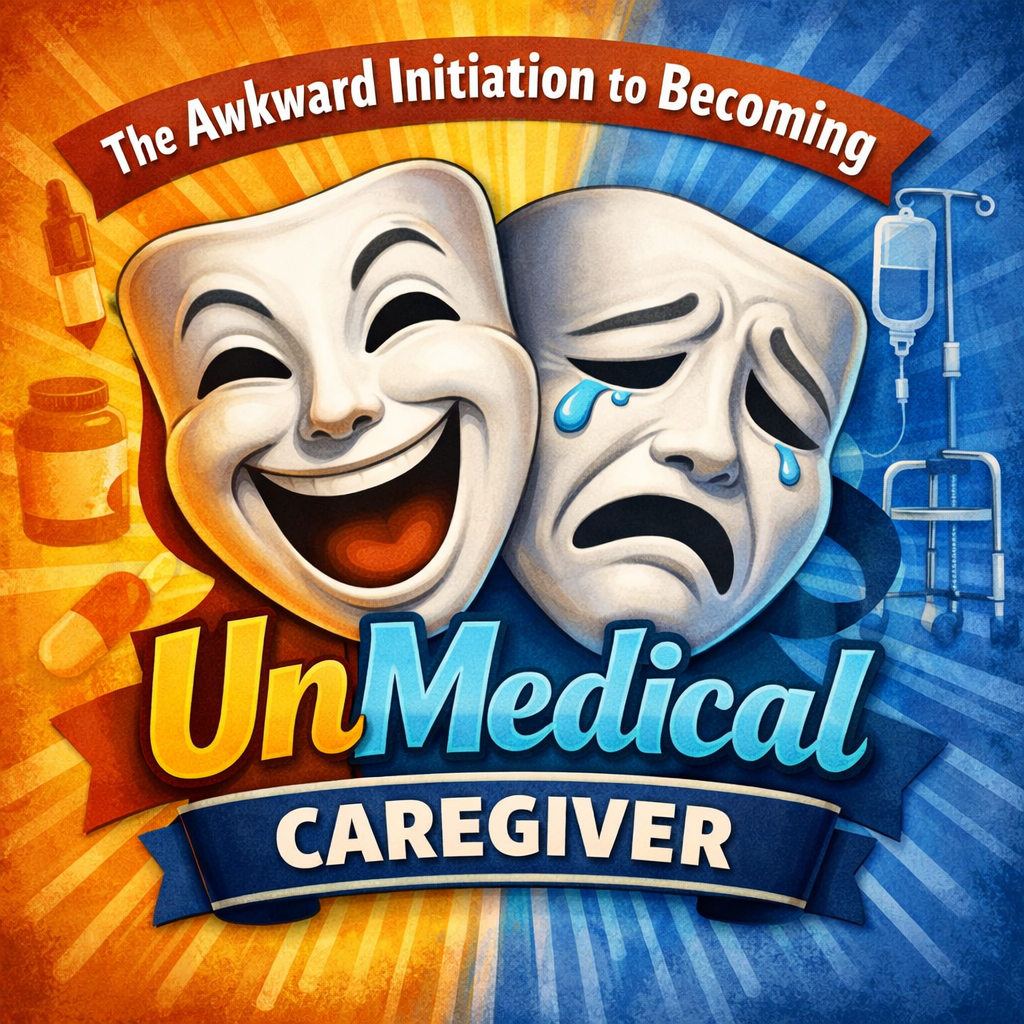
The Awkward Initiation to Becoming an UnMedical Caregiver
Nobody plans to become a caregiver without training, credentials, or a handbook. This piece explores the awkward, funny, and deeply human initiation into becoming an UnMedical caregiver, and why it’s time this role is recognized.